
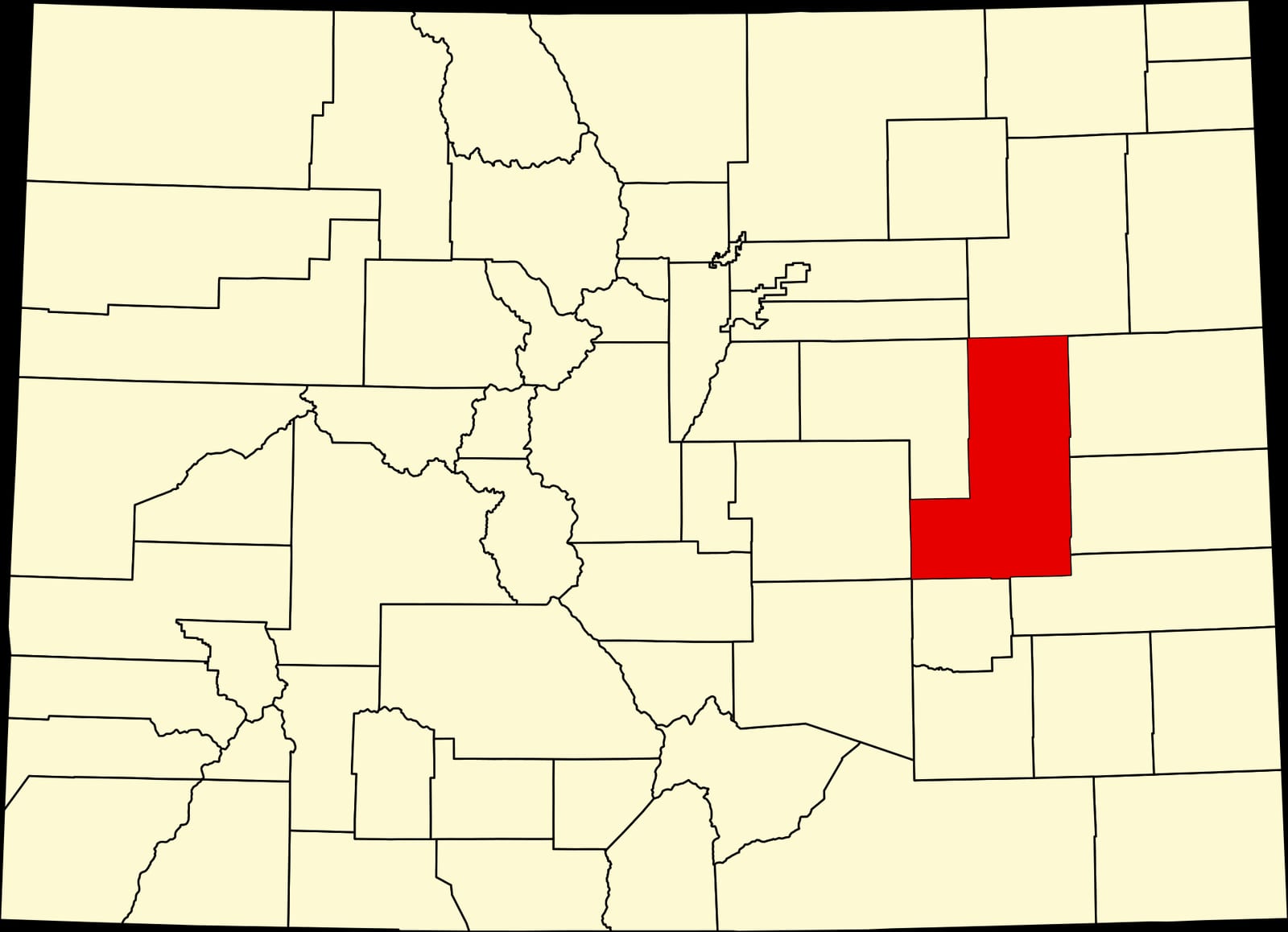
Lincoln County, Colorado: Sunbelt Conservative county. In 2024, voted R+64%. Republican peak: R+65 in 1892.
Key facts
- 2024 presidential margin
- R+64MIT Election Lab
- Political typology
- Sunbelt ConservativeAkashic typology
- Population
- 5,5502024 5-year
- Median household income
- $62,8612024 5-year
- White (non-Hispanic)
- 78.3%2024 5-year
- Black
- 5.5%2024 5-year
- Hispanic / Latino
- 15.2%2024 5-year
- Peak Democratic margin
- D+26 in 1896MIT Election Lab
- Peak Republican margin
- R+65 in 1892MIT Election Lab
- Most similar
- Phillips County, CO · similarity 1.00
| Donald Trump ✓Republican | 81.3% | 2,090 |
|---|---|---|
| Kamala HarrisDemocratic | 16.8% | 432 |
| OtherAll other candidates | 1.9% | 49 |
| Year | Margin (D minus R) |
|---|---|
| 1876 | No data |
| 1880 | No data |
| 1884 | No data |
| 1888 | No data |
| 1892 | −64.6% |
| 1896 | +26.0% |
| 1900 | −34.4% |
| 1904 | −41.3% |
| 1908 | −15.4% |
| 1912 | +11.5% |
| 1916 | +19.2% |
| 1920 | −27.1% |
| 1924 | −33.6% |
| 1928 | −40.0% |
| 1932 | +14.9% |
| 1936 | +7.6% |
| 1940 | −19.9% |
| 1944 | −19.1% |
| 1948 | −1.6% |
| 1952 | −33.0% |
| 1956 | −22.6% |
| 1960 | −18.0% |
| 1964 | +9.1% |
| 1968 | −24.3% |
| 1972 | −41.4% |
| 1976 | −9.1% |
| 1980 | −39.4% |
| 1984 | −47.1% |
| 1988 | −21.4% |
| 1992 | −19.0% |
| 1996 | −24.6% |
| 2000 | −50.9% |
| 2004 | −56.3% |
| 2008 | −50.8% |
| 2012 | −49.6% |
| 2016 | −60.9% |
| 2020 | −62.8% |
| 2024 | −64.5% |
| Year | Won | Margin | Democratic | Republican | Total |
|---|---|---|---|---|---|
| R | 432 | 2,090 | 2,571 | ||
| R | 470 | 2,135 | 2,651 | ||
| R | 409 | 1,892 | 2,436 | ||
| R | 552 | 1,687 | 2,287 | ||
| R | 546 | 1,717 | 2,304 | ||
| R | 503 | 1,819 | 2,337 | ||
| R | 510 | 1,630 | 2,199 | ||
| R | 729 | 1,272 | 2,203 | ||
| R | 640 | 1,079 | 2,306 | ||
| R | 874 | 1,356 | 2,249 | ||
| R | 587 | 1,661 | 2,278 | ||
| R | 602 | 1,535 | 2,371 | ||
| R | 1,059 | 1,276 | 2,387 | ||
| R | 685 | 1,678 | 2,396 | ||
| R | 809 | 1,407 | 2,465 | ||
| D | 1,327 | 1,104 | 2,439 | ||
| R | 1,041 | 1,498 | 2,542 | ||
| R | 1,012 | 1,603 | 2,617 | ||
| R | 927 | 1,843 | 2,773 | ||
| R | 1,231 | 1,271 | 2,516 | ||
| R | 1,147 | 1,689 | 2,839 | ||
| R | 1,185 | 1,780 | 2,988 | ||
| D | 1,660 | 1,420 | 3,163 | ||
| D | 1,979 | 1,453 | 3,536 | ||
| R | 888 | 2,110 | 3,053 | ||
| R | 634 | 1,642 | 3,002 | ||
| R | 1,013 | 1,815 | 2,963 | ||
| D | 1,702 | 1,129 | 2,986 | ||
| O | 796 | 534 | 2,281 | ||
| R | 576 | 794 | 1,412 | ||
| R | 132 | 323 | 462 | ||
| R | 124 | 255 | 381 | ||
| D | 210 | 123 | 335 | ||
| R | 0 | 113 | 175 | ||
| — | — | — | — | ||
| — | — | — | — | ||
| — | — | — | — | ||
| — | — | — | — |
Demographics
This high-plains ranching county of roughly 6,000 residents delivered a 64-point Republican margin in 2024, making it a consistent outlier even within Colorado's rural eastern corridor.
The Republican margin here reached sixty-five points in 1892. Between 2020 and 2024 the county moved two points toward the Republican candidate; the 2024 margin was sixty-four points.
A median household income of $62,861, a 78% non-Hispanic-white share, and a population of 5,550 describe the county. The county's voting pattern over the last decade is most similar to that of Phillips County and Cheyenne County.
Compare two places, side by side
Twelve curated comparisons line up election history, demographics, and the divergence story for two places at a glance. Browse all comparisons →
Lincoln County, Colorado. Akashic. https://akashic.app/county/08073/. Accessed May 20, 2026. License: CC BY 4.0.