
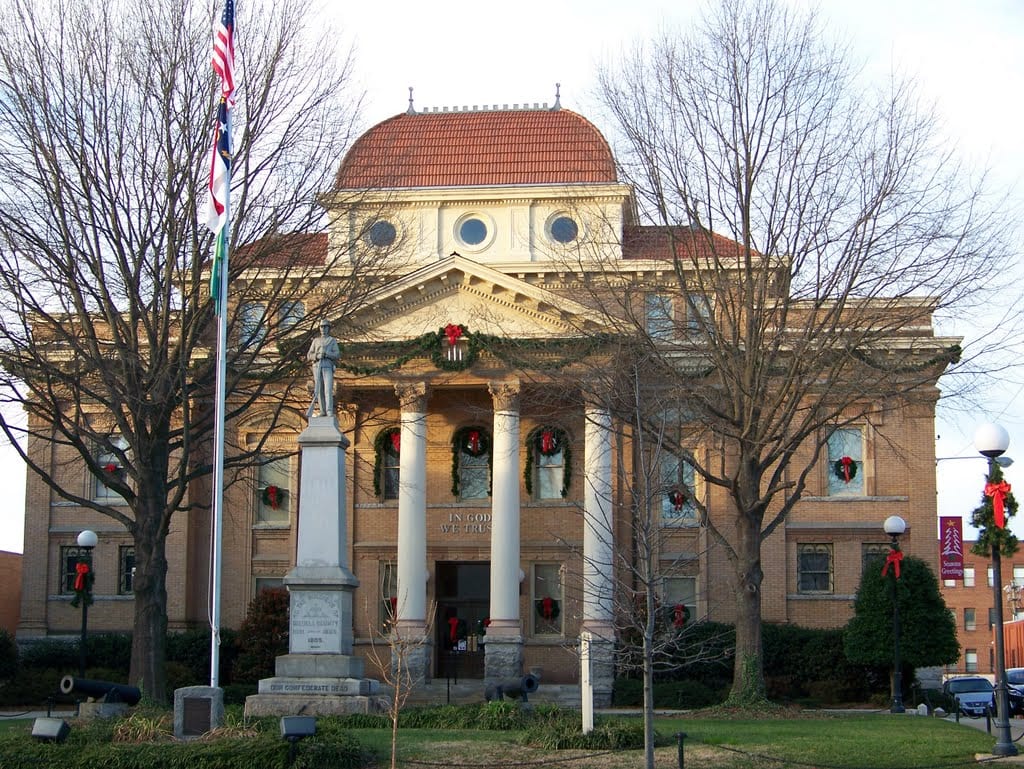
Iredell County, North Carolina: Industrial Catholic Metro county. In 2024, voted R+33%. Democratic peak: D+54 in 1912.
Key facts
- 2024 presidential margin
- R+33MIT Election Lab
- Political typology
- Industrial Catholic MetroAkashic typology
- Population
- 196,5442024 5-year
- Median household income
- $81,4192024 5-year
- White (non-Hispanic)
- 74.1%2024 5-year
- Black
- 11.2%2024 5-year
- Hispanic / Latino
- 9.3%2024 5-year
- Peak Democratic margin
- D+54 in 1912MIT Election Lab
- Peak Republican margin
- R+51 in 1972MIT Election Lab
- Most similar
- Moore County, NC · similarity 1.00
| Donald Trump ✓Republican | 65.7% | 72,801 |
|---|---|---|
| Kamala HarrisDemocratic | 33.1% | 36,739 |
| OtherAll other candidates | 1.2% | 1,335 |
| Year | Margin (D minus R) |
|---|---|
| 1876 | No data |
| 1880 | No data |
| 1884 | No data |
| 1888 | No data |
| 1892 | +16.9% |
| 1896 | +19.2% |
| 1900 | +10.3% |
| 1904 | +16.8% |
| 1908 | +15.5% |
| 1912 | +53.8% |
| 1916 | +23.3% |
| 1920 | +19.0% |
| 1924 | +28.4% |
| 1928 | −16.2% |
| 1932 | +39.9% |
| 1936 | +49.5% |
| 1940 | +46.0% |
| 1944 | +26.4% |
| 1948 | +10.9% |
| 1952 | −15.8% |
| 1956 | −20.9% |
| 1960 | −14.8% |
| 1964 | −6.9% |
| 1968 | −23.2% |
| 1972 | −51.4% |
| 1976 | +6.9% |
| 1980 | −10.3% |
| 1984 | −40.5% |
| 1988 | −34.2% |
| 1992 | −15.8% |
| 1996 | −21.5% |
| 2000 | +31.6% |
| 2004 | −36.2% |
| 2008 | −24.4% |
| 2012 | −30.4% |
| 2016 | −36.4% |
| 2020 | −32.4% |
| 2024 | −32.5% |
| Year | Won | Margin | Democratic | Republican | Total |
|---|---|---|---|---|---|
| R | 36,739 | 72,801 | 110,875 | ||
| R | 33,888 | 67,010 | 102,371 | ||
| R | 24,734 | 54,754 | 82,567 | ||
| R | 26,076 | 49,299 | 76,365 | ||
| R | 27,318 | 45,148 | 73,162 | ||
| R | 18,065 | 38,675 | 56,973 | ||
| D | 29,853 | 15,434 | 45,586 | ||
| R | 13,102 | 21,163 | 37,409 | ||
| R | 13,263 | 19,411 | 38,980 | ||
| R | 10,530 | 21,536 | 32,135 | ||
| R | 9,999 | 23,641 | 33,704 | ||
| R | 12,067 | 14,926 | 27,794 | ||
| D | 13,295 | 11,573 | 25,131 | ||
| R | 5,088 | 16,736 | 22,682 | ||
| R | 4,878 | 10,557 | 24,456 | ||
| R | 11,231 | 12,892 | 24,123 | ||
| R | 8,973 | 12,085 | 21,058 | ||
| R | 7,286 | 11,125 | 18,411 | ||
| R | 8,580 | 11,804 | 20,384 | ||
| D | 5,761 | 4,441 | 12,136 | ||
| D | 8,358 | 4,864 | 13,222 | ||
| D | 10,328 | 3,820 | 14,148 | ||
| D | 11,308 | 3,817 | 15,125 | ||
| D | 8,367 | 3,583 | 12,005 | ||
| R | 4,836 | 6,712 | 11,548 | ||
| D | 6,449 | 3,565 | 10,150 | ||
| D | 6,470 | 4,402 | 10,872 | ||
| D | 3,335 | 2,073 | 5,408 | ||
| D | 2,528 | 392 | 3,969 | ||
| D | 2,465 | 1,803 | 4,274 | ||
| D | 2,126 | 1,510 | 3,676 | ||
| D | 2,523 | 2,044 | 4,645 | ||
| D | 2,958 | 2,003 | 4,976 | ||
| D | 2,282 | 1,524 | 4,494 | ||
| — | — | — | — | ||
| — | — | — | — | ||
| — | — | — | — | ||
| — | — | — | — |
Demographics
Iredell sits at the northern edge of the Charlotte metro, drawing steady population from the region's spillover growth while maintaining one of the wider Republican presidential margins among North Carolina's mid-sized counties.
Its margins are typically close. The Democratic margin reached fifty-four points in 1912; the Republican margin reached fifty-one points in 1972. The 2024 margin was thirty-three points.
Its demographics sit near national norms: a 74% non-Hispanic-white share, a median household income of $81,419, and a 10% poverty rate. The county's voting pattern over the last decade is most similar to that of Moore County and Catawba County.
Compare two places, side by side
Twelve curated comparisons line up election history, demographics, and the divergence story for two places at a glance. Browse all comparisons →
Iredell County, North Carolina. Akashic. https://akashic.app/county/37097/. Accessed May 20, 2026. License: CC BY 4.0.